
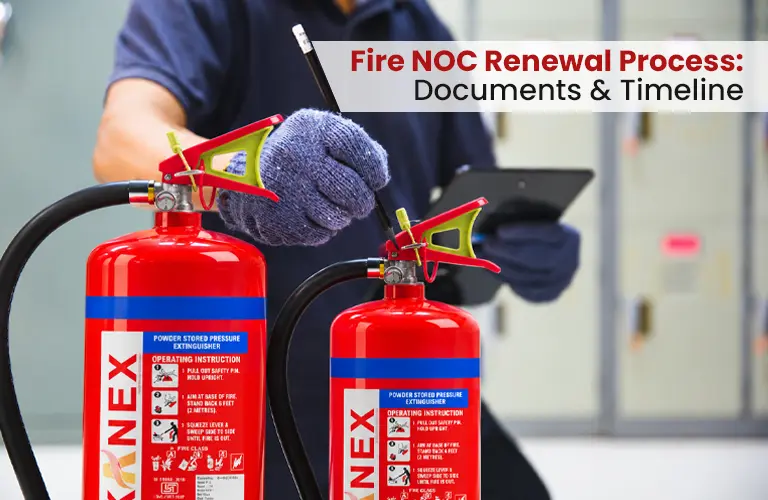
Fire NOC Renewal Process: Documents and Timeline

Fire safety compliance is a perpetual responsibility that should be maintained in every property, workplace, or living environment. For businesses, hospitals, schools, industries, commercial buildings, and other properties, maintaining a valid Fire NOC is an essential aspect of meeting applicable fire safety requirements. 

But by working with a reliable firefighting company in Kerala like Safetik, property owners can protect their property while responsibly maintaining fire protection systems and staying renewal-ready. This blog will cover the Fire NOC renewal process, the documents required, and the expected timeline to help avoid last-minute delays and make the renewal process smooth. 

When Should You Renew a Fire NOC? 

  • The validity period of a Fire NOC and its renewal requirements depend on various factors like property type, local regulations, and the concerned authority.
  • Property owners should mandatorily check the expiry date of their existing certificate and begin the Fire NOC renewal procedure as needed, preferably in advance.
  • Delaying until the last minute can prove costly, as there won’t be enough time for inspection, rectifying deficiencies, updating documents, or obtaining approval.
  • Starting early gives property owners enough time to address any issues before the existing NOC’s expiry and be future-ready when the time comes.  

Fire NOC Renewal Process 

The Fire NOC application process generally has multiple steps, with specific requirements differing according to the authority and property.

Check the Existing Fire NOC

  • Review the current fire NOC, expiry date, and conditions mentioned in the previous approval. 
  • Check whether the property has gone through any structural, occupancy, or usage changes.

Inspect Fire Safety Systems

  • Before applying, carefully inspect the property’s fire protection arrangements.
  • Check all the fire safety measures installed in your property, including all the fire extinguishers, alarms, smoke detectors, hydrants, sprinklers, emergency exits, exit signs, emergency lighting, and other required systems.

Prepare the Required Documents

  • Collect the necessary documents for renewal.
  • Ensure that the information provided is accurate and updated.
  • Missing or incorrect documentation can cause unnecessary delays.

Submit the Renewal Application

  • Submit the renewal application to the responsible fire and rescue authority and pay applicable fees, if any.
  • Note down the application or reference number for future tracking.

Fire Safety Inspection

  • The concerned authority will inspect the property to verify it is compliant with the legal framework and has proper fire safety arrangements.
  • Inspectors may check equipment, emergency access, exits, signage, and other applicable safety measures.

Complete Required Corrections

  • If potential issues or deficiencies are identified, then those issues must be promptly rectified.  
  • This may involve repairing or replacing faulty equipment, improving emergency exits or signage, or submitting additional documents and compliance reports.

Receive the Renewed Fire NOC

  • Once all applicable criteria and requirements are met, the responsible authority can issue the renewed Fire NOC.  
  • Make sure to safely store both physical and digital copies of the NOC for future reference and compliance records. 

Documents Required for Fire NOC Renewal 

Document requirements vary based on location, property type, and the governing authority responsible for handling it.

The most commonly requested documents may include: 

  • Existing or previous Fire NOC
  • Fire NOC renewal application
  • Approved building plan or layout 
  • Occupancy certificate, where applicable
  • Fire safety system details 
  • Fire equipment maintenance/service certificates 
  • Electrical safety certificate, where applicable 
  • Structural stability certificate, where applicable
  • Ownership or tenancy documents
  • Building owner/occupier details
  • Fire safety inspection or compliance report
  • Other documents requested by the local authority 

How to Prepare for a Fire NOC Renewal 

Proper preparation can streamline the Fire NOC renewal process significantly. It’s strongly recommended to start it before the current NOC expires and also make sure to run an internal fire safety inspection. 

Regularly service and test the fire protection equipment, keep proper records of the service history, organize the required documents, and check whether the emergency exits and fire safety signage are perfectly visible, clear, and in accordance with current standards. Maintaining essential fire safety equipment and supplies throughout the year can be highly useful and instrumental in the long run. 

Businesses can source suitable equipment and related products through trusted Fire and Safety Products online providers while ensuring that the products are in compliance with general standards and meet the applicable requirements. 

Conclusion 

A timely Fire NOC renewal procedure helps property owners remain compliant with essential fire safety requirements and avoid unnecessary delays. The Fire NOC application process can be made much smoother, provided there is proper documentation, regular maintenance, and early preparation. 

Since the process may change over time, the applicants must confer with the relevant local fire authority and confirm the latest procedures first. Starting early and not leaving it until the end is the easiest way to ensure sufficient time for inspection, corrections, documentation, and approval. 

At Safetik, a premier firefighting company in Kerala, we understand the importance of reliable fire safety solutions for businesses and properties, as we strive to set the highest bar of safety to safeguard properties and the environment alike. From fire safety equipment to professional support, our cardinal goal is to ensure customers cultivate safe, fully compliant environments.  

Explore Safetik’s solutions and services to support your property’s fire safety needs. 
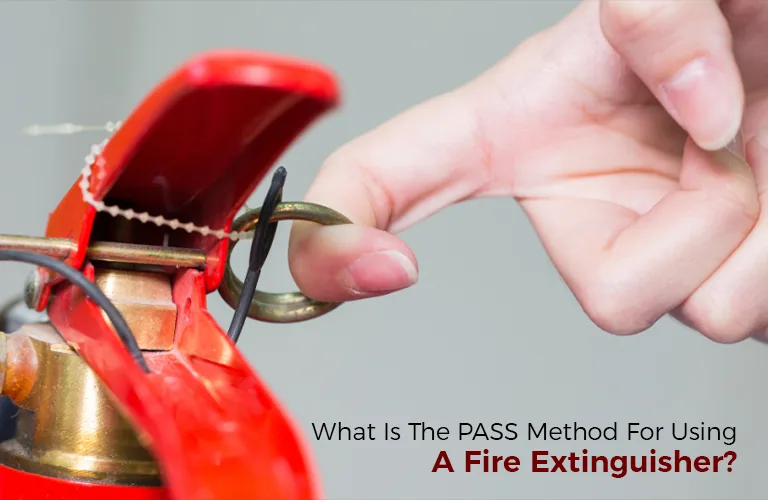
What Is the PASS Method for Using a Fire Extinguisher?

A fire emergency could happen out of the blue due to human negligence, electrical issues or simply when people least expect it. But your immediate response to the incident can make a significant difference – if done right. 

Whether you are at home, in an office, or managing a commercial space, understanding how to use a fire extinguisher knowledgeably can help you act promptly in response to a small fire. And one of the easiest ways to handle a fire extinguisher, even for a rookie, is to know the PASS method, which stands for Pull, Aim, Squeeze, and Sweep.  

If you are looking for a reliable fire fighting company in Kerala, or want to explore fire and safety products online, learning fundamental fire-extinguisher safety is essential – which is exactly what this blog will cover through the basics of the PASS method. 

What Does PASS Stand For? 

The PASS technique for fire extinguisher use essentially breaks down into four simple steps: 

P (Pull) – Pull the safety pin to unlock the extinguisher. 

A (Aim) – Equip the extinguisher and aim the nozzle or hose at the fire spot. 

S (Squeeze) – Squeeze the operating lever of the extinguisher to discharge the extinguishing agent. 

S (Sweep) – Sweep the nozzle from side to side across the base of the fire. 

By following these four important steps correctly, you can easily use and handle a fire extinguisher responsibly and more effectively whilst maintaining a safe position. 

Step 1: Pull the Safety Pin 

The safety pin keeps the extinguisher locked and prevents accidental discharge. When the need arises, you can operate the extinguisher by firmly pulling the pin out of the handle to unlock the handle. Always keep the extinguisher upright during its usage. Avoid unnecessary removal of the safety pin, especially when you’re not ready to act.Once the pin is removed, keep your attention on the fire and your escape route. 

Step 2: Aim at the Base of the Fire 

A common mistake that people often make is to aim the extinguisher directly at the flames. This is not essentially ineffective but a common misconception of the fire extinguishing process – since the flames are merely the visible part of the fire, not its source. The best method instead is to aim the nozzle at the base of the fire, where the burning material is located. Ensure to maintain a safe distance as stated in the extinguisher instructions and avoid unnecessary movement in the direction of the flames. In simple words, controlling the source of the fire is your main objective, rather than targeting visible flames. 

Step 3: Squeeze the Handle 

Once the nozzle is positioned correctly, firmly squeeze the operating handle of the extinguisher to release the extinguishing agent effectively. While operating the extinguisher, never take your focus off the fire. If the fire gets out of hand and worsens or if the fire extinguisher malfunctions, do not take unnecessary risks or take impulsive actions. Always keep in mind that when the incident escalates, you should move away or keep your distance, evacuate the area, and seek emergency assistance. 

Step 4: Sweep From Side to Side 

The final step in the PASS rule for fire extinguishers is to sweep the nozzle from side to side. Instead of concentrating the extinguishing stream on a single spot, try moving it across the base of the fire, ensuring uniform coverage over the entire affected area. Careful and responsible behavior is required at all times. Do not immediately turn your back and walk away from the fire. Carefully watch it and keep in mind that a fire can reignite even after it appears to be put out. In case the flames do return, evacuate everyone from the area and seek professional help rather than trying to fight a flaring fire. 

Why Fire Extinguisher Training Matters 

Remember, theory is one thing, and practical is another. Knowing the PASS method for fire extinguishers is quite useful, but that alone won’t suffice for practical training. 

  • Hands-on fire-safety training can assist employees with the essential handling techniques to use an extinguisher responsibly during emergencies. 
  • Businesses and major institutions should mandatorily provide appropriate fire-safety training to ensure the employees are well aware of the safety exits and are capable of operating the fire extinguishers maturely.  
  • Fire extinguishers and other fire safety requirements should be inspected, updated, and maintained regularly to remain operation-ready when the need arises. 
  • Another important factor in fire safety is “Which fire extinguisher to use during each type of fire? The extinguishers vary according to the type of extinguishing agent used, spanning from water and foam to CO₂ and powder. These variants are designed for different fire risks according to their classification (Class A-F). 

So always follow the manufacturer’s instructions and seek professional guidance, when necessary, rather than trying to handle everything yourself. 

Conclusion 

Remembering Pull, Aim, Squeeze, Sweep makes the PASS technique for fire extinguishers use easy to recall when the moment turns critical and every second matters. However, always prioritize personal safety with seriousness, because attempting to fight a fire shouldn’t come at the expense of your life. 

Only attempt to extinguish a fire, if it’s small and when the conditions are comparatively safer – a clear escape route and confidence in operating the extinguisher. If the fire is flaring up, spreading rapidly and filling the place with smoke – evacuate immediately and contact emergency services. 

At Safetik Safety Solutions, a Kerala-based fire and safety solutions company, you receive high-end firefighting equipment and tools like fire extinguishers, fire suppression systems, refilling and maintenance, and other safety products and services. If you are planning to buy fire extinguisher online or need professional fire-safety solutions, Safetik is the choice you can count on for all your requirements. 

×